
Explore
The Information

How AI Responds
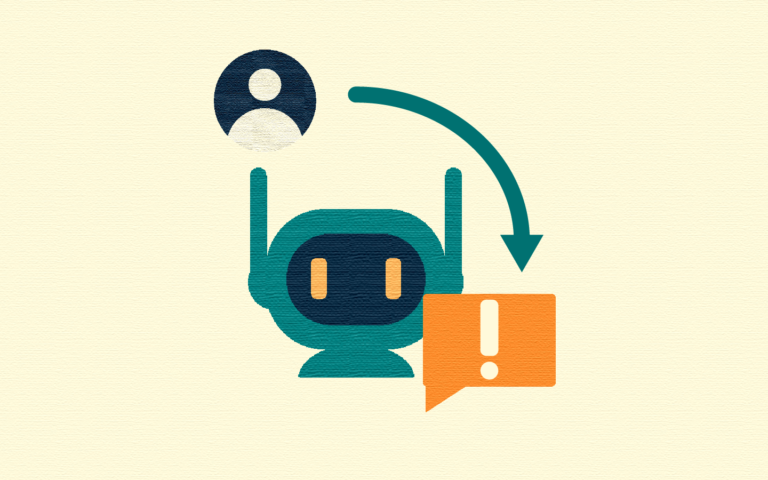
AI isn't like humans, it is based on a large data set and doesn’t communicate like people do. It simply predicts every word it says based on its dataset to make the "perfect" response to the prompt. It may sound human, but it’s just what its dataset trained it to sound like.
Limitations
AI has limitations when prompting it for specific purposes tailored just for you, especially on free models, so giving more context and information to it is advised to get a better response from it.
How AI Uses User Information
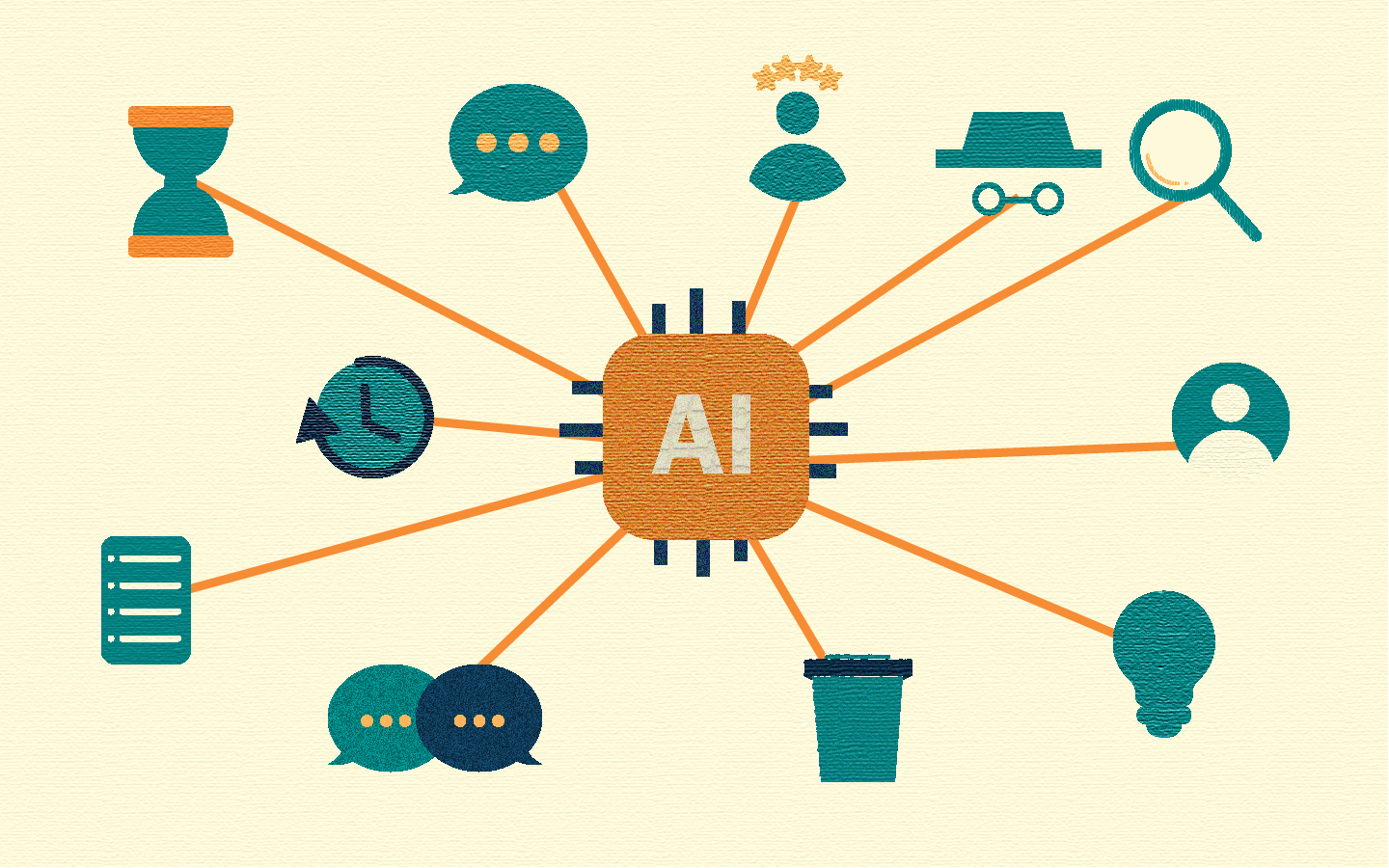
When prompting an AI it will try to pull as much information as it can get regarding its user. As it has no bearing of what is public or private data, it will use any data it has been given or stored related to its user to better respond to any prompts it is given. Although it is not done with malicious intent, this means that any private information it is given and stored may be accessed by unrelated parties.
Storage of Data and Risks
Any and all information the AI system is given is automatically stored as tokens, which are the building blocks of data for the AI systems. While converting information into tokens generally means it is secure, it does not tell the system what sorts of information it is storing is sensitive or not.
Moreover, AI systems nowadays have persistent memory to better customize its response to each user. While this is very useful, it is important to note that deleting your chat history does not delete data from the AI systems. The deleted data is simply lost in the systems, which may still be retrievable for unrelated third parties.
AI has operated under billions and billions of publicaly available work in their dataset that is able to make it function and sound as human as it does, this helps it relay the information it has to you in a way that sounds just like how a human presents it. But that’s all it is, that’s all what AI is, a highly complex program that predicts the next few words, all in an attempt to imitate the data that it has taken to make up its complex, and that’s putting it extremely simply what AI is.
The Effects of AI on Social Development
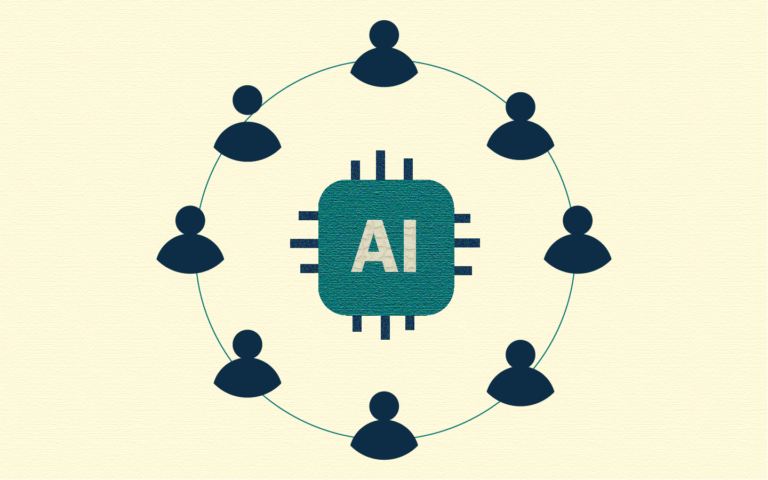
The psychological impact of AI on young adults centers on the tension between its instant gratification and the risk of hindering healthy social and emotional development. Although AI offers great accessibility, using it as a supplement for relational needs can instead develop social withdrawal, emotional dependency, and a blurred perception of reality.
This is especially important to be aware of for young adults as they are in a critical stage of their life where they build the foundation of their social skills and emotional regulation. Excessive engagement with AI can inhibit proper growth of these processes.
Problems
AI, while beneficial, in a lot of ways can pose various problems if misused such as, misinformation, privacy risks, security issues, environmental impact, and hindered social development. When one is overdependent on AI, it can increase the likelihood and severity of these risks.
As AI still has its benefits, you should always, like most things, use it in moderation and be more informed with how it works. There is no clear objective line on when you shouldn’t use it in terms of safety, but there are ways to know when you are using it properly.
A good rule of thumb is to always assume that everything you share with a chatbot will become public and to remember that AI in the end is not a real person. As a good frame of reference of how far and what you should allow yourself to prompt an AI, It is best not to give it anything you do not want to be public.